
Ayurvedic Treatment of Pain During Intercourse in Uttar Pradesh
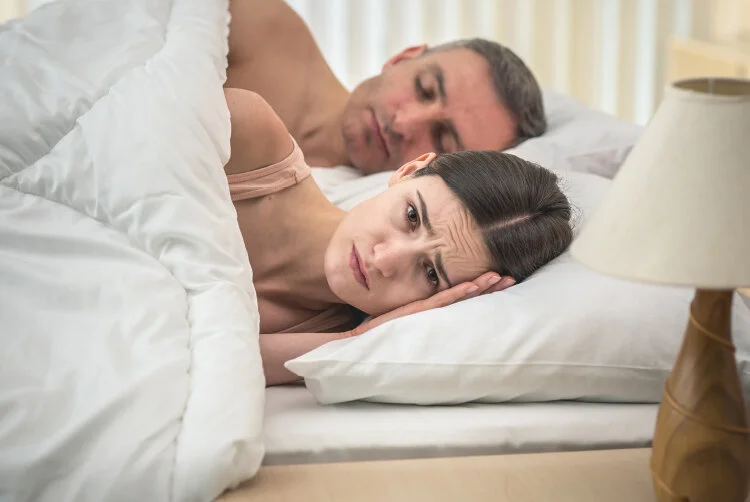
Sex should not hurt. Yet many women and men quietly put up with pain, burning or discomfort during intimacy for months or even years, too embarrassed to speak about it. Pain during intercourse is a real health concern with real causes. A private conversation can help clarify what may be contributing and whether medical assessment is needed.
What is pain during intercourse?
Pain during intercourse means pain, burning, tightness or discomfort in the genital area or lower belly before, during or after sex. Doctors call it dyspareunia. It can happen to women and to men.
It is more common than people think
Many women and a good number of men experience pain during intercourse at some point. Most never tell anyone, so they may feel alone, but they are not.
It is a signal, not a weakness
The body may be signalling that something needs attention. The cause may be simple, or it may need a proper medical check-up.
It should not be ignored
Pain that keeps returning can lead to fear or avoidance of intimacy and may strain a relationship. Getting appropriate help can make the next steps clearer.
Signs and types of pain
People describe it in different ways. Noting when the pain happens and where you feel it may help a clinician understand what needs to be assessed.
- Sharp or burning pain at the start of intercourse
- Pain on deep thrusting, felt inside the lower belly or pelvis
- Dryness, stinging or tightness that makes sex uncomfortable
- Pain in the penis, such as on an erect penis or pulling of the foreskin
- Pain or burning after sex or while passing urine
- Aching in the lower belly or back after intimacy
- Fear or tension before sex because of expected pain
Noting when the pain happens and where you feel it helps a doctor find the cause. Repeated or severe pain deserves appropriate assessment rather than being ignored.
Common reasons for pain during intercourse
There is rarely one single cause. Physical factors, local irritation and emotional wellbeing can all play a part.
In women
- Vaginal dryness: not enough lubrication, which may be linked to stress, not enough arousal time, breastfeeding, menopause or hormonal changes.
- Infections: vaginal, urinary or pelvic infections can cause burning, irritation and pain.
- Tightness or involuntary muscle spasm: muscles around the vagina may tighten because of fear, anxiety or a past painful experience.
- Pelvic conditions: fibroids, ovarian cysts, endometriosis or pelvic inflammation can cause deep pain.
- After childbirth or surgery: healing, scars or stitches can cause discomfort for some time.
- Fear, stress and past experiences: worry about pain can itself cause the body to tense up.
In men
- Infections or inflammation of the penis, foreskin, urine passage or prostate.
- Tight foreskin or skin problems that can cause pain or tearing.
- Penile curvature or injury that may cause pain on erection or during sex.
- Prostate or urinary problems that may cause pain around or after ejaculation.
- Sexually transmitted infections that can cause burning, sores or pain.
- Anxiety and tension that may add to discomfort.
In both
- Allergy or irritation from soaps, condoms, lubricants or creams.
- Relationship strain or lack of closeness.
- Low mood, depression or long-term stress.
- Certain medicines and health conditions, such as diabetes.
Pain can have more than one contributing factor. A private history and appropriate examination or tests, where indicated, can help clarify the next step.
Myths about pain during sex, and the honest picture
Myth: “Pain during sex is normal, especially for women.”
Fact: Mild discomfort can happen occasionally, but repeated or severe pain is not something to simply accept.
Myth: “It is all in the mind.”
Fact: Stress and fear can contribute, but there are also physical causes that may need to be checked.
Myth: “It will go away once we get used to it.”
Fact: Sometimes it eases, but if it keeps happening, waiting may allow fear and tension to build.
Myth: “Only women have this problem.”
Fact: Men can also experience painful intercourse and should not feel embarrassed to ask for help.
Myth: “A cream or tablet from the medical shop will fix it.”
Fact: Without knowing the cause, the wrong product can worsen irritation or hide an infection. Avoid self-medicating.
How Ayurveda looks at pain during intercourse
Ayurveda treats sexual health as part of overall health. Traditional practitioners look at the balance of the body's energies, especially vata, which is linked with dryness and pain, and pitta, which is linked with burning and inflammation. Digestion, sleep, stress and the state of the mind are considered together with the local symptoms.
How Dr. Gupta evaluates and discusses next steps
The discussion starts by listening, in private and without judgement. The appropriate next step depends on the symptoms and the likely cause.
Understand the pain
Discuss where it is felt, when it started and whether it happens every time or only sometimes.
Look at related symptoms
Dryness, burning while passing urine, discharge, itching, fever, irregular periods, or changes in erection and ejaculation may be relevant.
Look at daily life
Discuss sleep, stress, food, hygiene habits, relationship comfort and any medicines you take.
Decide what else is needed
Where examination or tests are advisable, you may be guided to get them. Where a problem needs conventional treatment or specialist care, that next step should be discussed.
Plan and review
Depending on the individual situation, the plan may include Ayurvedic medicines along with diet, lifestyle and hygiene guidance, followed by review and adjustment.
Dr. Gupta sees individuals and couples. Whether your partner joins you is your choice. Some causes require a physical examination, tests or specialist care; the page does not claim that these are performed in-house.
Simple habits that may help
These are general suggestions, not a replacement for medical advice. Stop any activity that causes pain.
Explore a dedicated page for your main concern
If your concern is mainly one of the following, these pages provide more focused information.
What to expect, honestly
Results differ
Cause, duration, stress levels and overall health all matter. No outcome can be promised.
No miracle claims
No guaranteed or permanent-result promises are made.
A proper check may be needed
Some causes, such as infections or pelvic conditions, need examination or tests and may need conventional treatment.
Tell the clinician everything
Mention all medicines, creams, supplements and treatments you already use.
Do not stop prescribed medicines
Do not stop or change prescribed medicines on your own.
Avoid self-medicating
Unprescribed creams, sprays and tablets can irritate or mask the real problem.

Dr. Ashish Gupta
Private consultation for sexual and reproductive health concerns.
The consultation approach begins by listening to the concerns shared, reviewing relevant health history and discussing appropriate next steps. Where examination, tests or specialist care are needed, the appropriate referral or further assessment should be considered.
Find the clinic nearest to you
The main clinic is in Kanpur, with regular consultation locations in Unnao, Fatehpur and Orai.
Kanpur · Main Clinic
Durga Mandir Chauraha, Govind Nagar, Kanpur.
Every day10:00 AM – 8:00 PM
Unnao
IBP Chauraha, below Bank of Baroda, Unnao.
Every Friday10:00 AM – 2:00 PM
Fatehpur
Railway Station Road, near Gurudwara, Rail Bazar, Fatehpur.
Every Sunday10:00 AM – 2:00 PM
Orai
Hotel Shri Govind, Kalpi Road, opposite Power House, Orai.
Every day10:00 AM – 8:00 PM
Clinic schedules can change. Please use the clinic Contact page to confirm the location, hours and appointment details before travelling.
When to get a medical check-up soon
Please seek prompt medical assessment if you notice any of the following.
Signs that need medical attention
- Severe or sudden pain, or pain with fever.
- Unusual or foul-smelling discharge, sores, blisters or lumps.
- Bleeding after sex, or blood in semen or urine.
- Pain or burning while passing urine that does not settle.
- Heavy or irregular periods along with pelvic pain.
- Swelling or pain in the testicles.
- Pain during sex in pregnancy, or soon after delivery with fever or heavy bleeding.
- Diabetes or other health conditions that are not well controlled.
- Persistent low mood, anxiety or hopelessness.
Ayurvedic care and conventional medical care are not either/or. Do not delay appropriate medical assessment where symptoms suggest an infection, injury or another condition needing prompt attention.
Share what is on your mind in confidence
Use the clinic's official contact page to make an enquiry and ask about the nearest location and available consultation arrangements.
Before you get in touch
For your privacy, share only the information needed to request an appointment through a general enquiry channel.
- Tell the team which clinic location is convenient for you.
- Ask about the current consultation day and timings.
- Discuss detailed symptoms and medical history directly with the clinician.
- Bring previous prescriptions or reports if the clinic advises you to do so.
The current Contact page lists phone and WhatsApp details as awaiting confirmation. Use its enquiry form for current contact arrangements.
FAQs
Answers to common questions about pain during intercourse, possible causes, assessment and next steps.
Is pain during intercourse normal?
Mild discomfort can happen occasionally, but repeated, severe or lasting pain is not something to simply put up with. It is worth having it assessed.
What causes pain during intercourse?
Common causes include dryness, infections, muscle tightness, skin problems, pelvic or prostate conditions, and stress or fear. Often more than one reason is involved.
Can men also have pain during intercourse?
Yes. Infections, a tight foreskin, prostate or urinary problems and skin conditions can all cause pain in men.
Can Ayurveda cure pain during intercourse?
No treatment can promise a cure for everyone. Ayurvedic care may form part of an individual plan, but results differ. Some causes, such as infections, may also need conventional treatment.
Do I need tests or an examination?
Sometimes. A clinician may recommend an examination or tests if they would help identify the cause. You may be referred to an appropriate specialist where needed.
Can stress and fear cause pain during sex?
Yes. Worry and tension can tighten muscles and make sex painful. Pain can then increase worry. Open communication and appropriate support may help address this cycle.
Is Ayurvedic care safe alongside other medicines?
Tell the clinician about every medicine, cream or supplement you use before starting any new treatment. Do not stop or change prescribed medicines on your own.
Should my partner come with me?
That is entirely your choice. The consultation can be for an individual or a couple.
Will my visit be kept confidential?
The clinic describes its consultations as private and respectful. You can ask the clinic team how your information is handled when booking.
I do not live in Kanpur. Can I still consult?
The clinic lists consultation locations in Kanpur, Unnao, Fatehpur and Orai. Contact the clinic team to ask about the most convenient location and schedule.
How much does treatment cost?
The page does not state a single consultation or treatment price. Contact the clinic team for current fees and appointment details.
Talk about pain during intimacy without judgement
A private discussion can help you describe what you are experiencing, review possible contributing factors and decide whether further medical assessment is appropriate.
Medical disclaimer: This page is for general information and is not a diagnosis or a substitute for medical consultation. Pain during intercourse can have physical, emotional or mixed causes. Some causes need examination, tests or conventional treatment. The Ayurvedic concepts described here are traditional frameworks; good-quality human research on Ayurvedic treatment for pain during intercourse is limited. Seek appropriate medical assessment for severe or sudden pain, fever, unusual discharge, sores, bleeding, urinary symptoms or testicular swelling.