
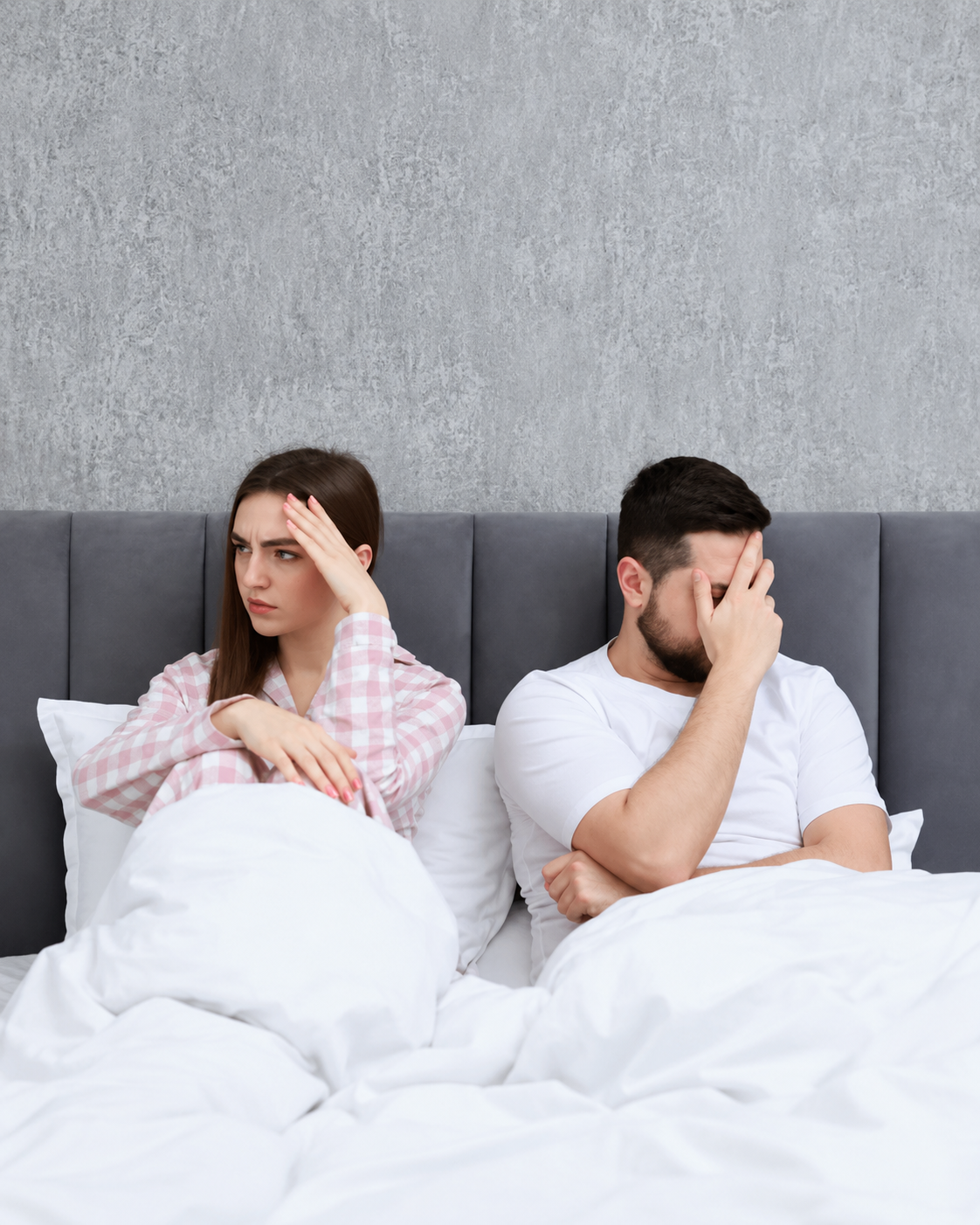
Low Sexual Desire Consultation in Uttar Pradesh
A change in sexual desire can have physical, emotional, lifestyle or relationship-related contributors. Dr. Ashish Gupta offers private consultations for men, women and couples to discuss concerns, understand relevant health history and consider appropriate next steps.
What is low libido — and what is not?
Libido is a person's interest in or desire for sexual activity. There is no single number that defines a normal level of desire. It can change with stress, health, sleep, life stage, medicines and relationship circumstances.
A temporary quieter phase is not automatically a medical problem. It may be worth discussing with a healthcare professional when low desire continues, feels like a clear change from what is usual for you, or causes distress or relationship strain.
Low desire is different from erection difficulty
Sexual desire and physical arousal are connected but not identical. A person may want sex and still have difficulty with erections, or may have erections but little interest in sex.
- Desire can change without an erection problem.
- Erection concerns can sometimes affect interest or confidence.
- Low desire may have physical, emotional or situational contributors.
- The pattern and its effect on wellbeing matter more than comparison with others.
When is it worth discussing low sexual desire?
People experience changes in desire at different times. Consider a consultation when the change is persistent, unexpected or troubling to you.
A lasting change
Your interest in sex has remained lower than usual rather than changing for only a short period.
Personal distress
The change is causing worry, frustration, loss of confidence or concern about your wellbeing.
Relationship strain
Differences in desire or uncertainty about intimacy are creating tension or making communication difficult.
A temporary change does not always mean a disorder
Desire can rise and fall during stressful periods, after illness, during pregnancy or after childbirth, and at other life stages. A clinician can help decide whether further assessment is appropriate.
What can lower sexual desire?
Sexual desire is influenced by physical and emotional wellbeing, medicines, life experiences and relationships. More than one factor may be involved.
Physical health
Diabetes, high blood pressure, thyroid or other hormonal concerns, chronic illness, excess weight and poor sleep may affect energy and sexual interest.
Stress and mood
Ongoing pressure, anxiety, low mood, exhaustion and caring responsibilities can affect interest in intimacy.
Medicines
Some medicines, including certain medicines for mood or blood pressure and some hormonal contraceptives, may influence desire.
Life stage
Pregnancy, the months after delivery, breastfeeding, menopause, illness or surgery may be relevant to changes in desire.
Relationships
Unresolved tension, communication difficulties, reduced emotional connection or pressure around sex may affect desire.
Lifestyle
Sleep disruption, heavy alcohol use, smoking and ongoing fatigue can influence general and sexual wellbeing.
Other sexual concerns
Erection difficulties, concerns about sexual timing or pain during sex may affect interest and should be discussed openly.
More than one factor
Physical, emotional and relationship factors can occur together. Identifying the relevant contributors is more helpful than assuming one cause.
How low sexual desire can differ
There can be different health and life-stage contexts for men and women, although individual experiences vary and causes can overlap.
Low desire in men
Stress, weight changes, diabetes, blood pressure concerns, hormonal issues, poor sleep or worry about sexual performance may be relevant. A clinician may explore when the change began and whether other symptoms are present.
Low desire in women
Pregnancy, breastfeeding, menopause, fatigue, mood, pain during sex, health conditions and relationship circumstances may contribute. A respectful discussion can help identify what should be assessed.
For couples
Differences in desire can be difficult for both partners. Open, non-pressured communication may help, and a couple can choose to attend a consultation together if they wish.
How Dr. Gupta evaluates your concerns
The consultation starts with your history and priorities. Two people with similar concerns may have different contributing factors and need different next steps.
Understand when it changed
Discuss whether desire changed suddenly or gradually, and whether it has been low for a short or longer period.
Explore the pattern
Discuss whether desire feels low in every situation or only at certain times or in particular circumstances.
Review health and lifestyle
Sleep, stress, mood, existing health conditions and medicines may be relevant to the discussion.
Discuss next steps
Depending on the assessment, the plan may include appropriate referrals or checks, lifestyle guidance, and follow-up to review progress.
Dr. Gupta sees men, women and couples. You can decide whether you would like your partner to be part of the conversation.
How Ayurveda looks at low sexual desire
Ayurveda considers sexual health as part of overall wellbeing. The traditional concept of Vajikarana is one framework used to discuss sexual vitality, health and lifestyle.
Vajikarana
A traditional Ayurvedic area concerned with sexual vitality and reproductive wellbeing. It is a traditional framework, not proof that a particular product will improve libido.
Dhatus and nourishment
Ayurvedic discussions may consider nourishment of the body's tissues, including reproductive tissues, as part of a broader health picture.
Mind, sleep and digestion
The traditional framework may also discuss doshas, stress, sleep, digestion and the person's broader context.
Traditional concepts and clinical evidence are not the same
These concepts describe an Ayurvedic perspective. They should not be presented as laboratory-proven explanations for low libido. Good-quality human research on Ayurvedic treatments for low sexual desire is limited, and no result can be guaranteed.
Considering Ayurvedic and conventional options
The appropriate approach depends on the factors involved. Ayurveda is not a substitute for investigating a possible medical cause or reviewing medicines with the prescribing clinician.
Look for a treatable cause
A clinician may consider health conditions, hormone-related concerns or medicine effects that could be influencing desire. Tests are selected according to the person's history and symptoms.
Counselling or sex therapy
When stress, mood, communication or relationship factors are involved, counselling or sex therapy may be worth discussing with an appropriate professional.
Review existing treatment
Tell the clinician about prescribed medicines, contraceptives and supplements. Do not stop or change a prescribed medicine without advice from the clinician who manages it.
Results differ
Cause, duration, stress levels and overall health can affect progress. No specific result or timeline can be promised.
Evidence has limits
Good-quality human research on Ayurvedic treatment for low desire is limited. Discuss evidence and uncertainty before starting treatment.
Share medicine details
Mention medicines for mood, sleep, blood pressure or diabetes, as well as hormonal contraceptives and supplements.
Avoid self-medication
Unregulated desire-booster capsules, powders or injections may have uncertain contents, side effects or medicine interactions.
Do not stop prescribed medication on your own
If you think a medicine is affecting sexual desire, speak to the clinician who prescribed it. They can assess whether an alternative or adjustment is appropriate.
Ayurvedic care and conventional medical care are not either/or
Low desire can sometimes be linked with a health condition, mood concern, pain or medicine effect. A medical review is especially important when the change is sudden or occurs with other symptoms.
Consider a medical assessment when:
- Your desire dropped suddenly or soon after starting a new medicine or contraceptive.
- You feel persistently low, hopeless or unable to enjoy things you usually enjoy.
- You have unusual tiredness, unexplained weight change or symptoms that may relate to diabetes, thyroid or blood pressure problems.
- Sex has become painful, or you have another new or concerning symptom.
What may help you prepare
You do not need to share intimate details in an online enquiry. Bring any information you feel is relevant to the private consultation.
Note when the change began
Think about whether the change was sudden or gradual and whether anything significant happened around that time.
List medicines and supplements
Bring the names or photos of current prescriptions, over-the-counter medicines and supplements if available.
Share relevant health history
Mention ongoing conditions, recent illness, sleep or mood changes, and any symptoms that concern you.

Dr. Ashish Gupta
Ayurvedic Physician · Sexual, Reproductive & Fertility Health
Dr. Ashish Gupta provides consultations at Divyabuti Ayurveda for sexual health, reproductive health, fertility concerns and selected skin conditions. His consultation approach begins with listening to the person's concerns, understanding relevant health history and discussing appropriate next steps.
- Individualised consultations for men and women.
- Respectful discussion of sensitive concerns.
- Consideration of relevant health and lifestyle factors.
- Discussion of appropriate next steps and follow-up.
Find the clinic nearest to you
The main clinic is in Kanpur, with regular consultation locations in Unnao, Fatehpur and Orai.
Kanpur
Durga Mandir Chauraha, Govind Nagar, Kanpur.
Every day · 10:00 AM–8:00 PMUnnao
IBP Chauraha, below Bank of Baroda, Unnao.
Every Friday · 10:00 AM–2:00 PMFatehpur
Railway Station Road, near Gurudwara, Rail Bazar, Fatehpur.
Every Sunday · 10:00 AM–2:00 PMOrai
Hotel Shri Govind, Kalpi Road, opposite Power House, Orai.
Every day · 10:00 AM–8:00 PMHow booking works
Start with a private enquiry. The clinic team can help you identify the nearest consultation location.
Reach out
Call or message the clinic to enquire about a confidential consultation.
Share your city
Let the team know which city or district you are travelling from.
Check clinic details
Ask about the nearest location and its next available consultation day.
Confirm your visit
Agree on a suitable time with the clinic team before travelling.
Start with a confidential conversation
Book a consultation at the Kanpur clinic or ask the team about the nearest location in Uttar Pradesh. Share only the details you are comfortable sending.
Phone: 09795 202727 · WhatsApp: +91 90442 07907
Request a call back
Enter basic contact details. WhatsApp will open with a message for you to review before sending.
FAQs
Answers to common questions about low sexual desire and arranging a consultation.
Is low sex drive normal?
Desire naturally varies over time, so a quieter phase is common. It may be worth seeking guidance if desire stays low, is a clear change for you, or causes worry or strain in your relationship.
Can Ayurveda improve low libido?
No treatment can promise results for everyone. Ayurveda offers a traditional framework for discussing sexual vitality and broader wellbeing, but good-quality human research on Ayurvedic treatment for low sexual desire is limited. Discuss potential benefits and risks with a qualified healthcare professional.
Does Dr. Gupta consult with both men and women?
The clinic's service information states that Dr. Gupta sees men, women and couples for sexual, reproductive and fertility health concerns. You can ask the clinic team about arranging a private appointment.
How long before I notice a difference?
There is no fair fixed timeline for everyone. Progress depends on the underlying contributors, health history and the care plan. Follow-up can be used to review concerns and adjust next steps.
Could a medicine I take be the cause?
Some medicines, including certain medicines for mood or blood pressure and some hormonal contraceptives, may affect desire. Do not stop or change a prescribed medicine yourself. Discuss the concern with the clinician who prescribed it.
Will my consultation be private?
The clinic describes its consultations as private and respectful. You can ask the clinic team how personal information is handled before sharing sensitive details.
Should my partner attend the consultation?
That is your choice. You can attend alone or invite your partner if you feel comfortable. The consultation can focus on your own concerns and health history.
I do not live in Kanpur. Can I still consult Dr. Gupta?
The clinic lists locations in Kanpur, Unnao, Fatehpur and Orai. Contact the team to ask which location is nearest and when the next clinic is available.
How much does a consultation or treatment cost?
The page does not list one fixed consultation or treatment price. Contact the clinic team for current fees and details before booking.
Take the first step towards informed care
For a confidential enquiry about low sexual desire consultations with Dr. Ashish Gupta, contact Divyabuti Ayurveda. The clinic team can help you understand the next step and available locations.
Medical information disclaimer: This page is for general information and is not a diagnosis or a substitute for a medical consultation. Low sexual desire may have physical, emotional, medicine-related or relationship-related contributors. A qualified healthcare professional can help assess symptoms and determine whether further checks are appropriate. Do not stop prescribed medicines or start supplements without appropriate medical advice. Individual experiences and outcomes vary.